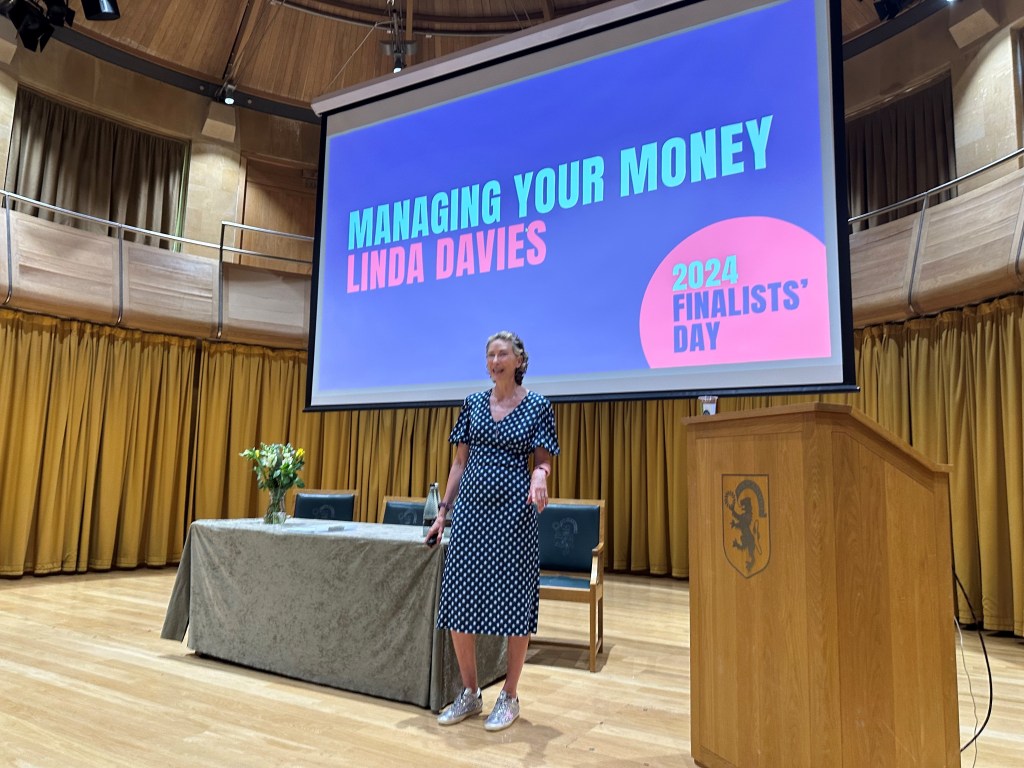
I’ve always believed that financial education is severely lacking on a global scale. This belief drives my passion to visit universities, colleges, and schools, where I deliver Healthy Money talks to help students grasp the importance of financial literacy. With my extensive background in financial services, the most valuable advice I can offer is simple: start young.
If you have the advantage of time, begin saving and investing (prudently!) as early as possible, and make it a priority to learn everything you can about managing money. As a transformational money guide, I’ve seen firsthand the harmful effects of keeping money matters a taboo topic, and how vital it is to cultivate good financial habits early in life. The lack of financial literacy, particularly among young people, is alarming—and it’s time we take action. Financial education must become a priority in our schools.
The sooner we learn how money works, the better equipped we’ll be to make it work for us.
Financial literacy: a life skill we can’t afford to miss
Imagine stepping into adulthood without a solid understanding of how to manage your money, only to be presented with credit cards,online gambling, loans, Buy Now Pay Later (BNPL) and investment opportunities. Unfortunately, this is the reality for many young adults, and it often sets the stage for financial hardship. Accruing debts with high interest rates can quickly spiral out of control, leaving students and young people struggling to save anything at all, and potentially bankrupting them.
It’s alarming to think that nearly two-thirds of today’s young adults don’t recall receiving any personal finance education in school. This gap in financial knowledge often leads to poor money management, such as mishandling debt or missing the crucial window to start investing early.
The data is clear: those with lower financial literacy are consistently worse off than those who understand the fundamentals. Yet, despite the clear need, financial education in schools remains inconsistent and underdeveloped. It’s time for a change.
The urgent need for financial education in schools
One of the most important lessons I share with my clients is the power of starting early. Compounding is one of the most effective ways to build wealth. The earlier you begin saving and investing, the less you’ll need to contribute over time to achieve the same results as someone who starts later.
Many people, especially young adults, don’t realise how much responsibility now rests on them to prepare for retirement. With the decline of traditional pensions, today’s workers need to actively invest in their future. Yet many young people think of pensions as something that doesn’t concern them until much later in life. We need to change that mindset.
If you start contributing to your pension in your 20s, you can put in place the foundations of a healthy retirement fund. Starting late, on the other hand, means you’ll have to invest far more aggressively to catch up. Understanding this concept early on could transform the financial future of so many young people.
Financial literacy for life
The push for better financial education in schools is a great first step, but the journey shouldn’t end when we leave the classroom. A study by Abrdn showed that even adults earning similar salaries had vastly different financial outcomes based on their financial literacy. Those with better financial literacy saved significantly more, both in cash and pensions.
As adults, we need to continuously improve our understanding of money, whether it’s learning how to optimise pensions, make smart investment decisions, or manage debt effectively. Financial education should be seen as a lifelong process: something we build on over time as our needs evolve.
In an increasingly complex financial world, starting early is one of the best ways to ensure long-term financial success. Whether you’re saving for retirement or simply building an emergency fund, the sooner we begin, the better. But for young people to truly thrive, we need to begin with education, both in schools and at home. Financial literacy is not just a skill for surviving adulthood; it’s a tool for transforming our financial future.
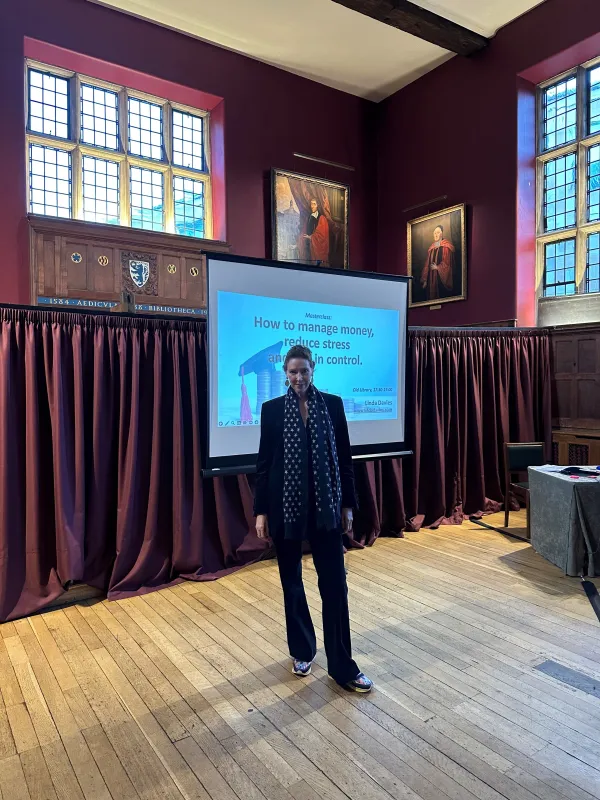
I frequently deliver financial literacy sessions to students at Oxbridge Colleges, sharing practical actions with psychological insights to create a long-lasting and resiliently healthy relationship with money. If you’re a teacher or event organiser at a school or university and would like me to present my tailored Healthy Money talks to your students, feel free to reach out via email. These engaging, interactive presentations are packed with practical tips, useful insights, and strategies to help young people better understand their finances and take proactive steps toward building a brighter financial future.
 Money Mastery Method with Linda Davies
Leave a comment