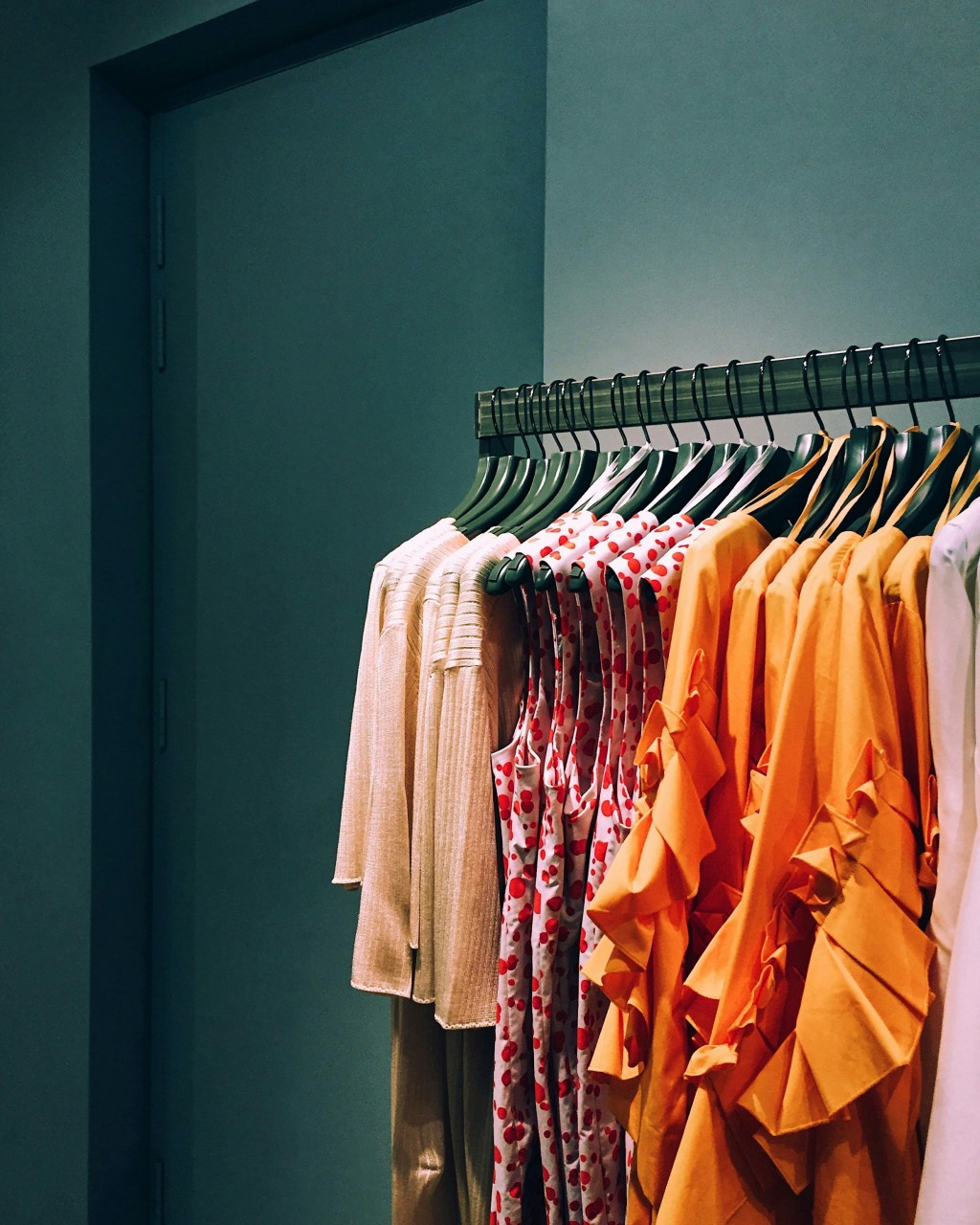
Today, I wanted to discuss an often-overlooked aspect of our lives: the clothes we buy and the personas we project.
Fashioning our personas
Have you ever found yourself purchasing clothes for a life you aspire to but aren’t actually living? Perhaps it’s that dazzling dress for a party you never attend or the sleek business suit for a job you don’t have. This behavior isn’t just about fashion; it’s a psychological phenomenon where we are, in essence, clothing a persona.
Carl Jung introduced the concept of personas as the masks we wear to navigate various aspects of our lives. These personas help us adapt to different roles and expectations. However, it’s crucial to recognise that while these personas can be beneficial, they are not our true selves. The question we must ask is: how do we clothe our authentic selves?
The psychological impact of fashion choices
When we buy clothes to fit a certain persona, we might be trying to fulfill an internal need or desire. Perhaps it’s a longing for approval, success, or belonging. This behavior can sometimes lead to an imbalance where our financial decisions are driven by these unfulfilled needs rather than practical considerations.
This brings us to an essential intersection: mental health and finance. Overspending on clothes that represent a persona can lead to financial stress, which in turn affects our mental well-being. It’s a cycle of pursuing an idealised self-image that can detract from our true sense of self and damage our financial stability.
Embracing authenticity in fashion
So, how do we bridge this gap? The key lies in embracing our authentic selves. This doesn’t mean abandoning all personas but rather being mindful of when and why we adopt them. Acknowledge the roles you play and understand that they are just parts of your multifaceted self.
Take time to understand why you are drawn to certain clothes. Are they a true reflection of your current life, or are they for a life you wish you had? Recognise the emotional triggers behind your fashion choices.
Before purchasing new clothes, consider whether they align with your authentic self. Ask yourself if this is a persona you occasionally adopt and if so, do you need to invest heavily in it?
Build a versatile wardrobe that reflects your true self while also being adaptable for different roles. Invest in pieces that make you feel comfortable and confident in your everyday life.
Be aware of your financial limits and set a budget for fashion spending. Avoid the trap of retail therapy as a way to cope with emotional needs.
The power of awareness
Understanding the relationship between mental health, fashion, and finance empowers us to make more informed and authentic choices. By recognising when we are clothing a persona and when we are dressing our true selves, we can achieve a balance that supports our well-being.
Fashion is a powerful tool for self-expression, but it should not lead us away from our authentic selves or compromise our financial health. Embrace the roles you play, but always come back to who you truly are. Let your wardrobe be a reflection of your genuine self, and you’ll find that it not only enhances your style but also your mental and financial well-being.
Not only will this be good for you, it will be good for the planet. Fashion is one of the biggest polluters both in terms of production but also disposal. You only need to look at the smouldering pyres of “disposable clothes” that pollute the air, sea and earth in Ghana in particular, to see the downside of fast fashion.
I’d love to hear your thoughts on this topic. How do you balance fashion and authenticity in your life? Is shopping mindfully something you can adopt If you don’t already do so?
Share your insights, and let’s continue this enlightening conversation.

 Money Mastery Method with Linda Davies
Leave a comment